Commission on Energy

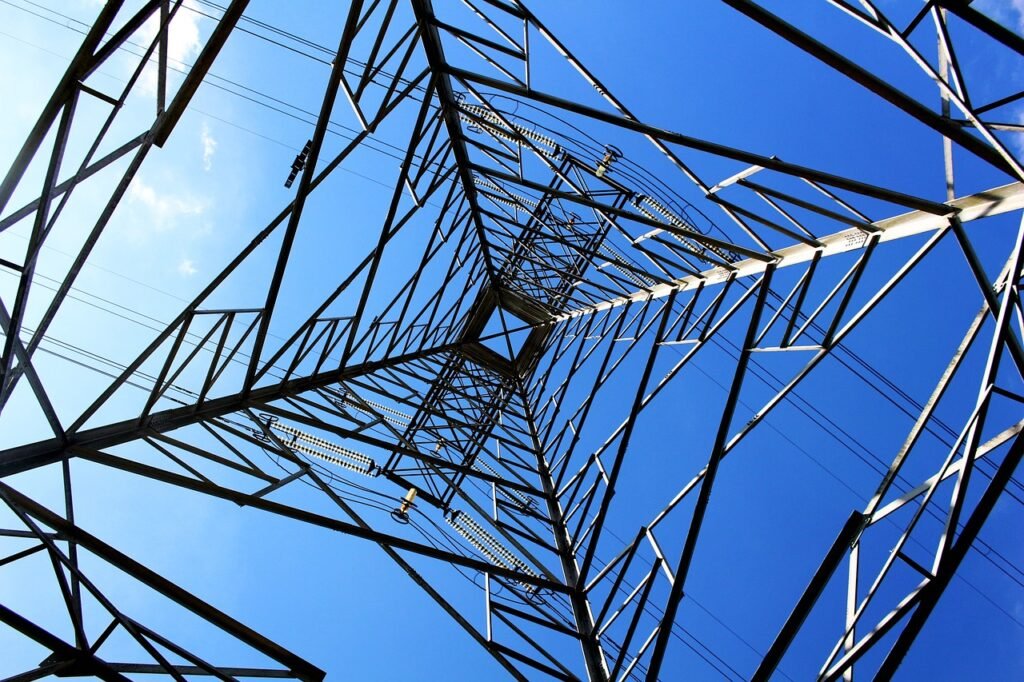
The Commission on Energy focuses on the development of sustainable, resilient, and efficient energy systems supporting airports, infrastructure, and future aerospace operations.

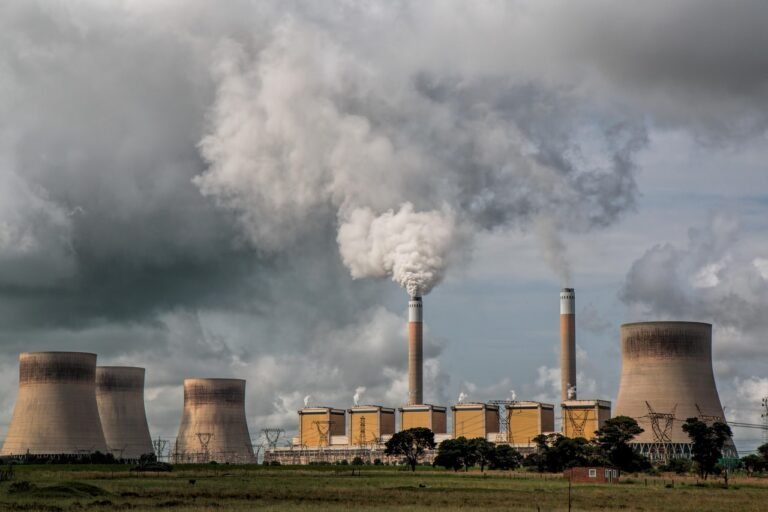
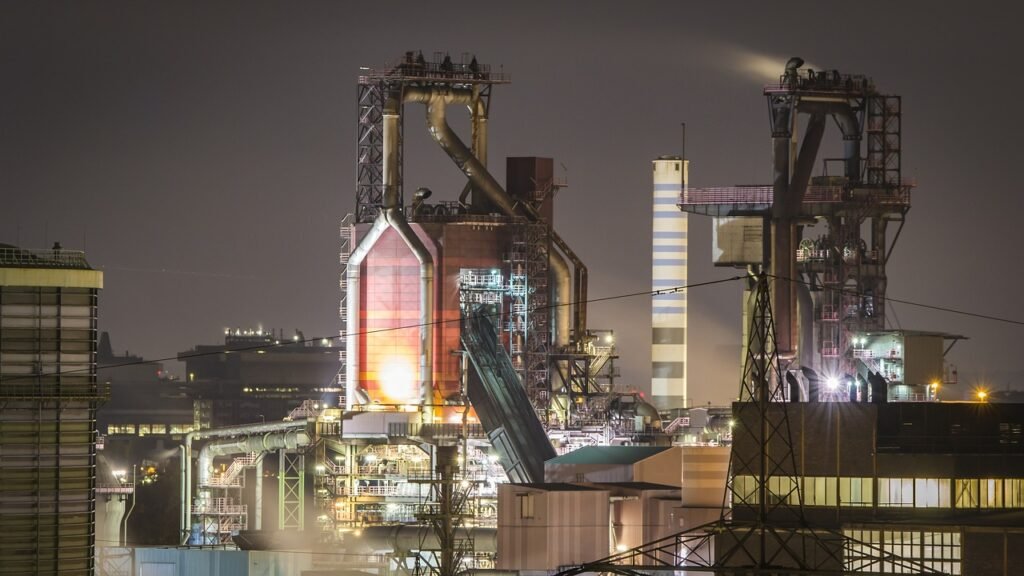
Energy is no longer a secondary component of infrastructure. Modern airports, logistics hubs, spaceports, and data-driven transport systems increasingly depend on reliable, autonomous, and environmentally responsible energy solutions.

The Commission works to study emerging technologies, promote practical models, and support the integration of advanced energy systems into large-scale infrastructure projects.

Areas of Activity

Renewable Energy Integration in Airports and Infrastructure

Airports and large transport facilities are among the largest energy consumers in modern infrastructure.

The Commission works on:

✔ Integration of solar and renewable energy into airport operations
✔ Hybrid energy systems for terminals, runways, and support facilities
✔ Design of energy-efficient airport infrastructure
✔ Reduction of operational emissions through on-site generation
✔ Long-term planning for energy transition in aviation infrastructure
 
Energy production is increasingly becoming part of airport design rather than an external supply.

Solar and Hybrid Energy Systems

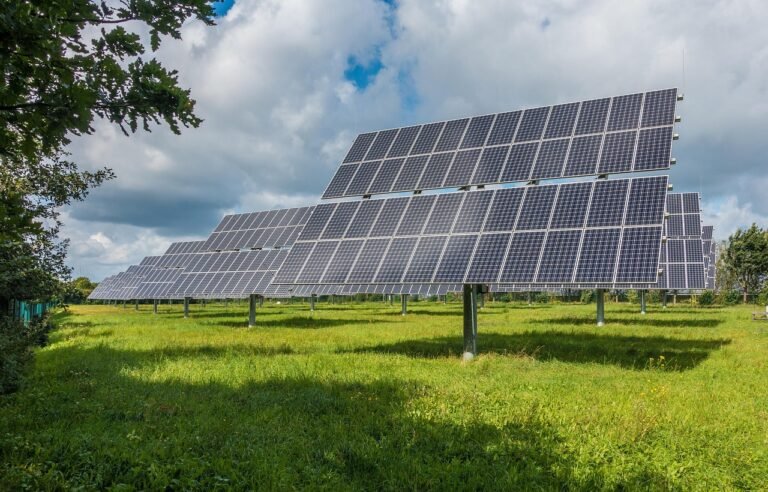
Solar power and hybrid energy solutions are becoming economically viable in many regions of the world.

The Commission examines:

✔ Large-scale solar parks integrated with infrastructure
✔ Hybrid systems combining solar, storage, and grid supply
✔ Operational reliability of renewable systems in critical infrastructure
✔ Case studies of energy-positive or energy-neutral facilities
 
Infrastructure capable of producing part of its own energy significantly increases operational stability.

Energy Storage and Grid Resilience

Reliable energy supply is critical for aviation and aerospace operations.

The Commission focuses on:

✔ Battery energy storage systems for airports and infrastructure
✔ Backup power and redundancy systems
✔ Microgrid concepts for isolated or remote infrastructure
✔ Resilience planning for power disruptions
 
Energy resilience is becoming as important as physical security in modern infrastructure.

Hydrogen and Synthetic Fuels

Alternative fuels are expected to play a major role in the future of aviation.

The Commission studies:

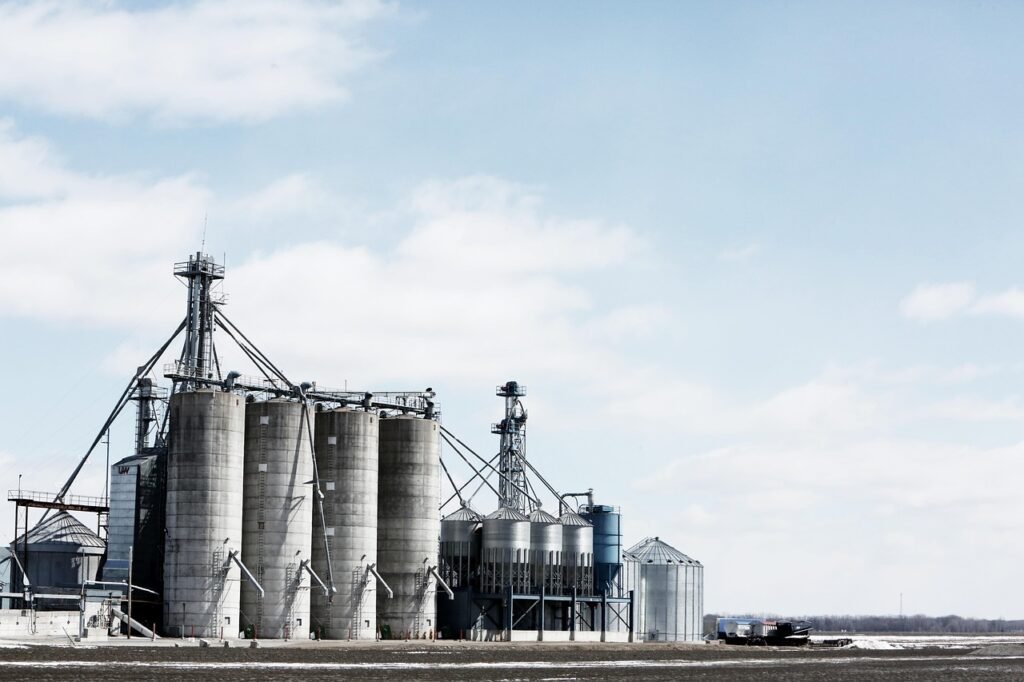
✔ Hydrogen production and storage infrastructure
✔ Synthetic aviation fuels and their supply chains
✔ Airport infrastructure requirements for new fuel types
✔ Long-term transition scenarios for aviation energy systems
 
The evolution of aviation fuels may significantly reshape airport infrastructure in the coming decades.

Energy Autonomy of Infrastructure

Self-sufficient infrastructure is becoming an important strategic objective.

The Commission works on:

✔ Models of energy-autonomous airports and logistics hubs
✔ Integration of renewable energy, storage, and intelligent management systems
✔ Long-term operational sustainability
✔ Reduction of dependence on external energy networks
 
Infrastructure capable of maintaining operations independently increases both economic and operational resilience.

Mission of the Commission on Energy

The mission of the Commission on Energy is to support the transition toward sustainable and resilient energy systems in aviation, aerospace, and infrastructure, while promoting practical and economically viable solutions for the next generation of transport and logistics facilities.

© 2026 iac-global

This website uses cookies to provide you with the best browsing experience.

Accept
Decline